

Government funds phase II upgrade of Luanda Ginnery in Busia County
CHRIS MAHANDARA-KNA
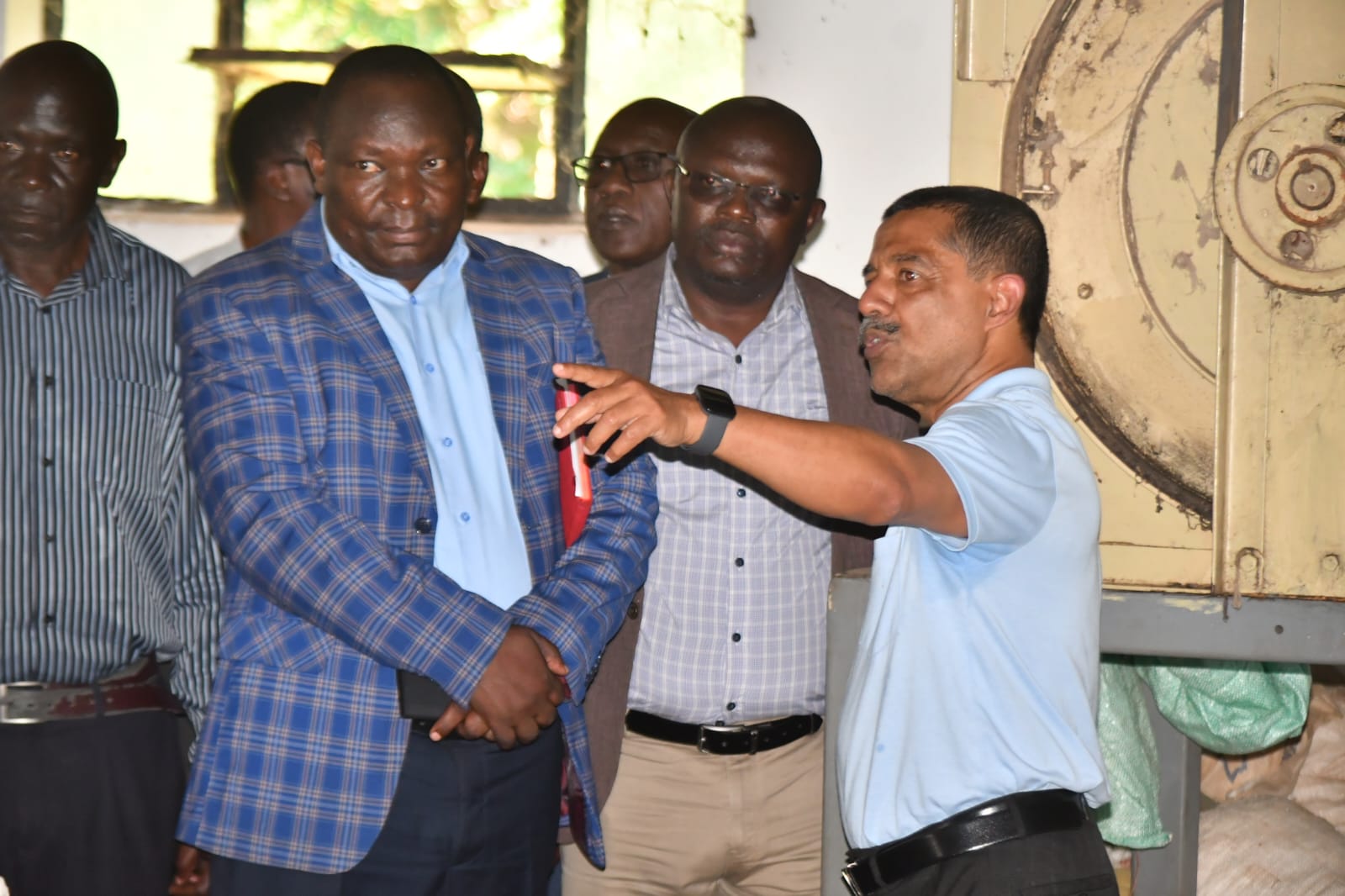
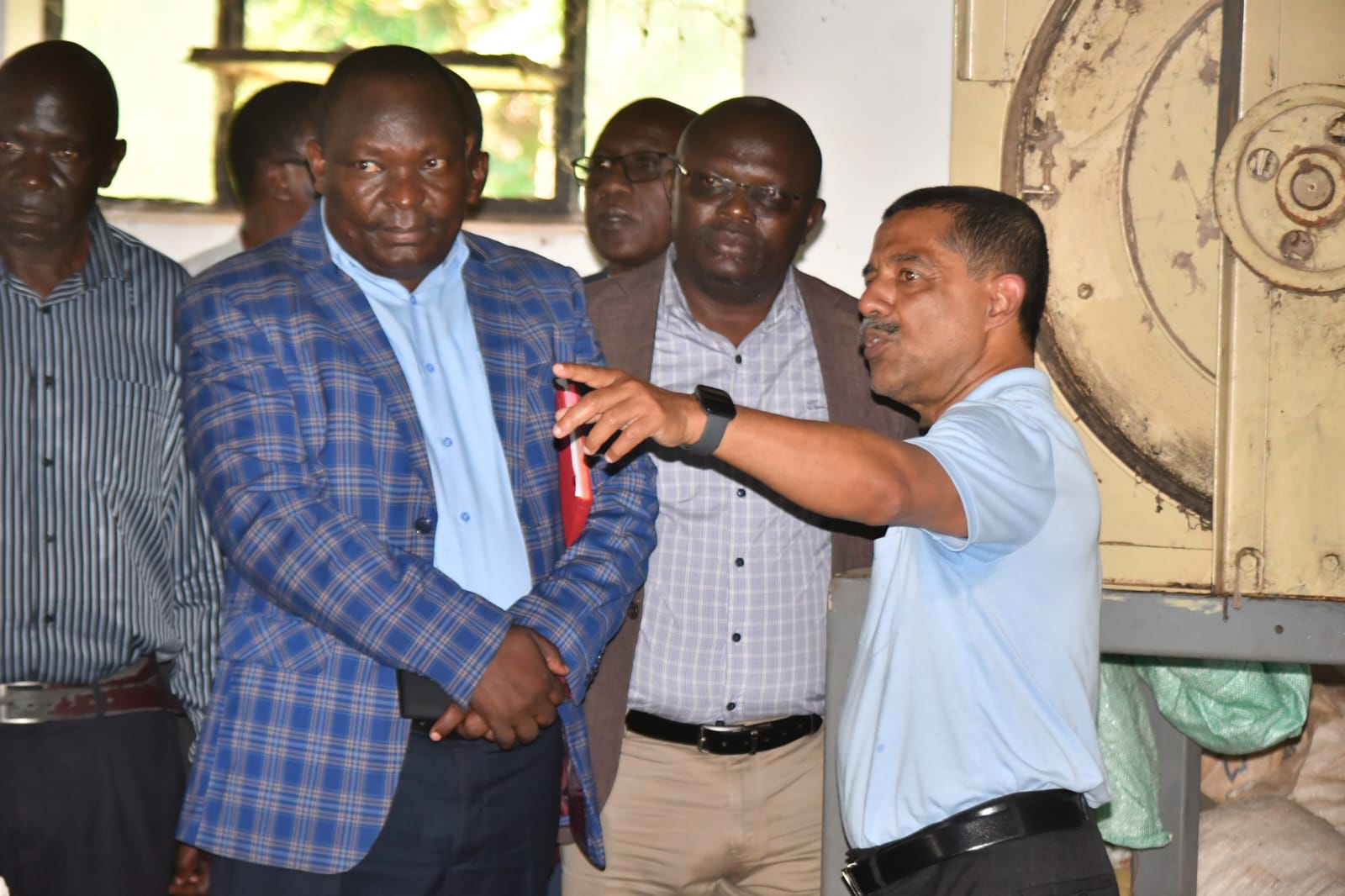
The State Department for Cooperatives has released Sh20 mil lion to upgrade the Luanda Ginnery in Busia County in a bid to revitalize the cot ton value chain and spur rural industrial growth.
Earmarked for Phase II of the ginnery’s modernization, the funds will facili tate the installation of two new ginning machines, a cotton drying unit, and critical spare parts to sup port continuous operations.
Presiding over the official handover to the contractor, Secretary for Administration in the State Department for Cooperatives, Amos Mariba, said the initiative is part of the government’s Bottom-Up Economic Transformation Agenda (BETA), which prioritizes value addition and rural enterprise development.
Mariba said the Luanda Cooperative Society Ginnery, located in Samia Sub-county, is the only functioning ginnery in Busia County and serves cot ton farmers across parts of neighboring Siaya County, terming the investment a major milestone in the revival of cotton farming.
“Upgrading this facility is about more than machinery—it’s about creating jobs, supporting our farmers, and reviving the local economy.
We are committed to empowering cooperative societies to be the backbone of Kenya’s industrial growth,” he said.
The move comes after the successful completion of Phase I of the project, which saw an earlier allocation of Sh80 million used to refurbish existing infrastructure and procure foundational equipment, he added.
Mariba further said the contractor has been given a three-month deadline to complete the installation and commissioning of the new machinery, which is expected to significantly boost processing capacity ahead of the next harvest season.
He revealed that the State Department for Cooperatives is pushing forward with legislative reforms targeting the cotton and cooperative sectors, and that the key proposals be fore the Senate aim to reposition cooperative societies at the heart of production, processing, and marketing.
“These reforms are de signed to unlock value at every stage—from the farm to the factory floor. With the right policies and infrastructure, we can turn cotton into a driver of rural transformation,” Mariba noted.
He added that since Co operatives was a devolved function, the legislative frameworks looks at ways of integrating the County Cooperatives Officers into the broader national government agenda to revive the sector for the benefit of the whole country.