
Outgoing NPS Commission enumerates achievements
By MyGov Reporter
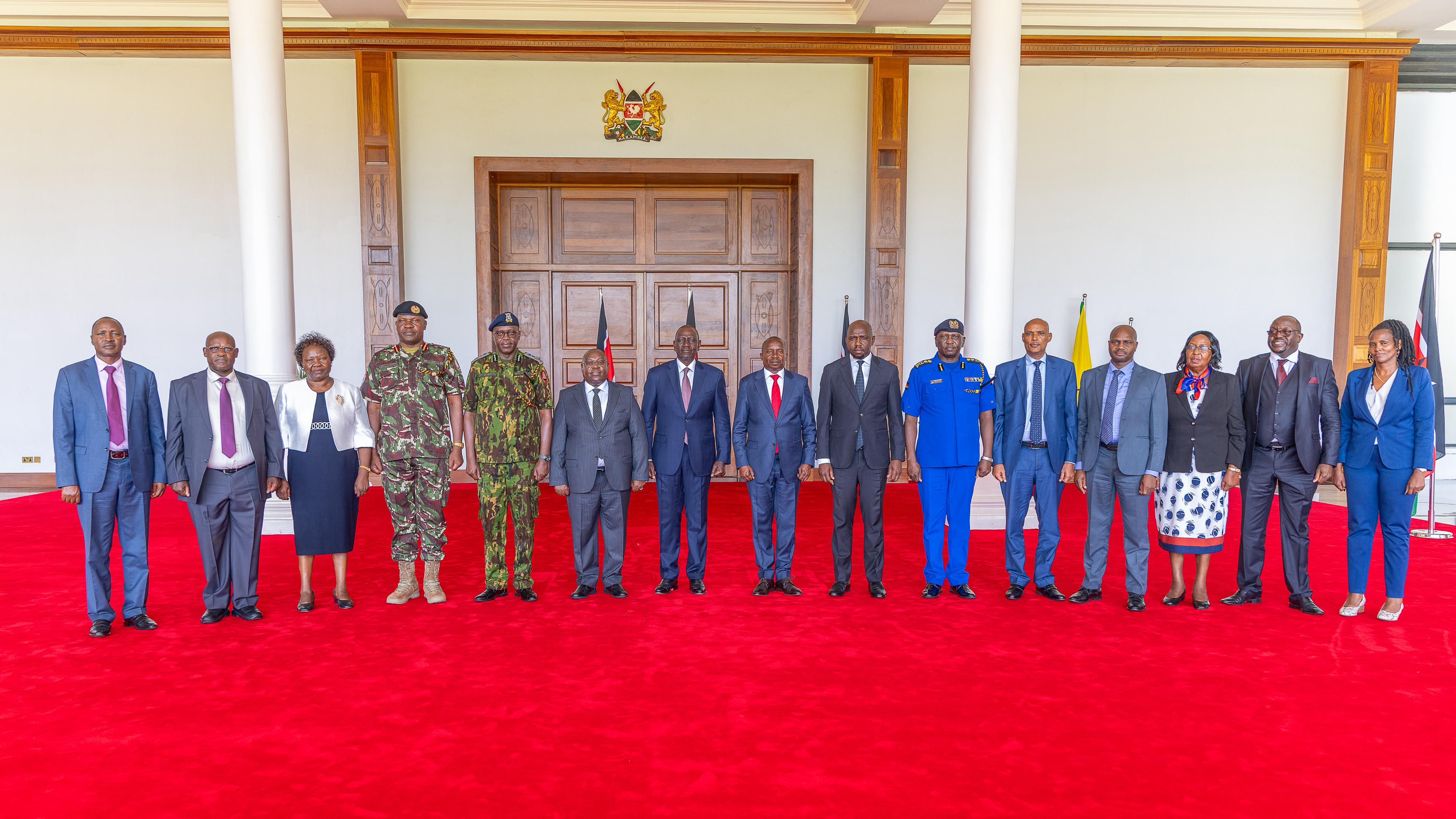
The 2nd Police Service Commission, whose term came to an end last week, has enumerated its achievements in the last six years of its term.
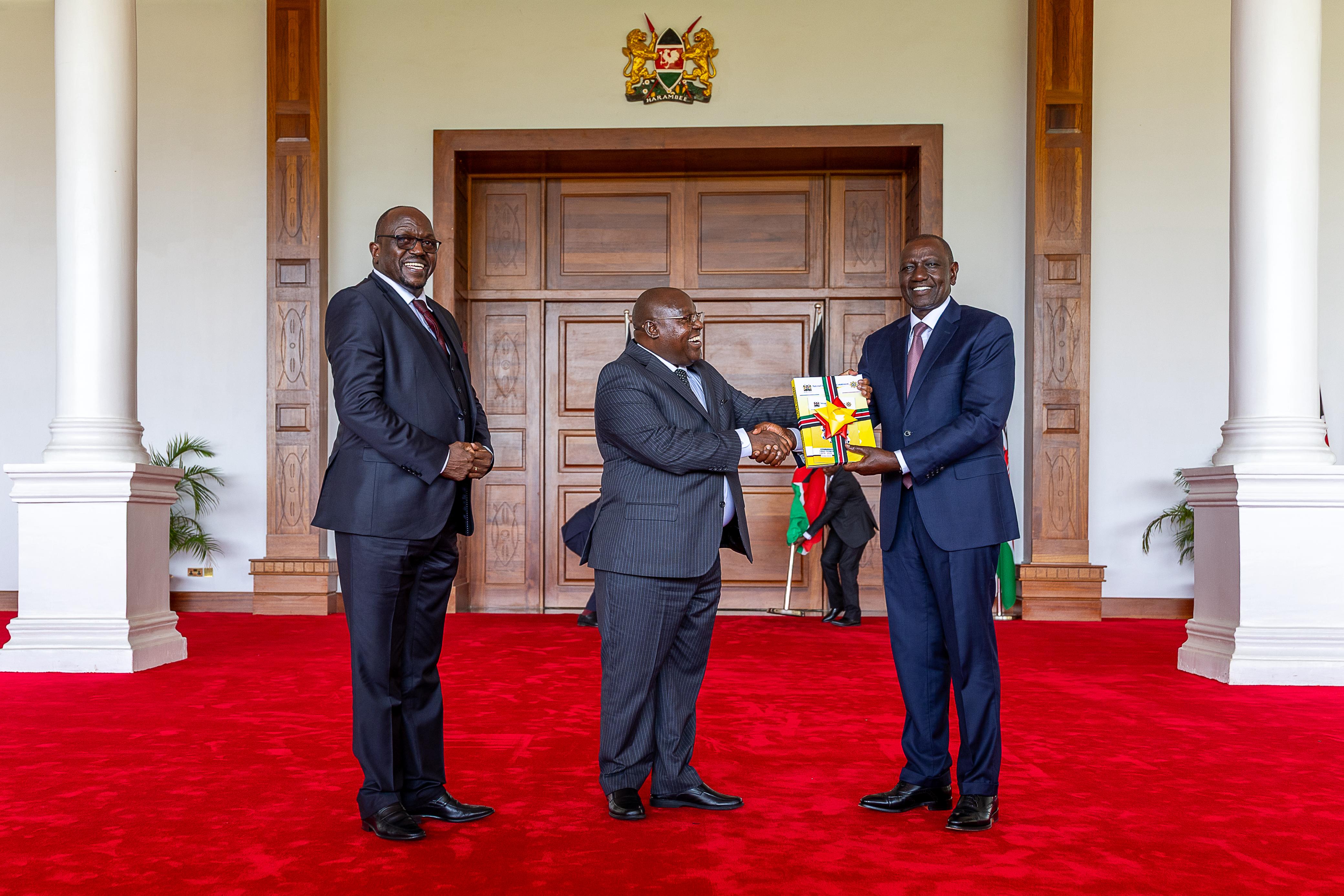
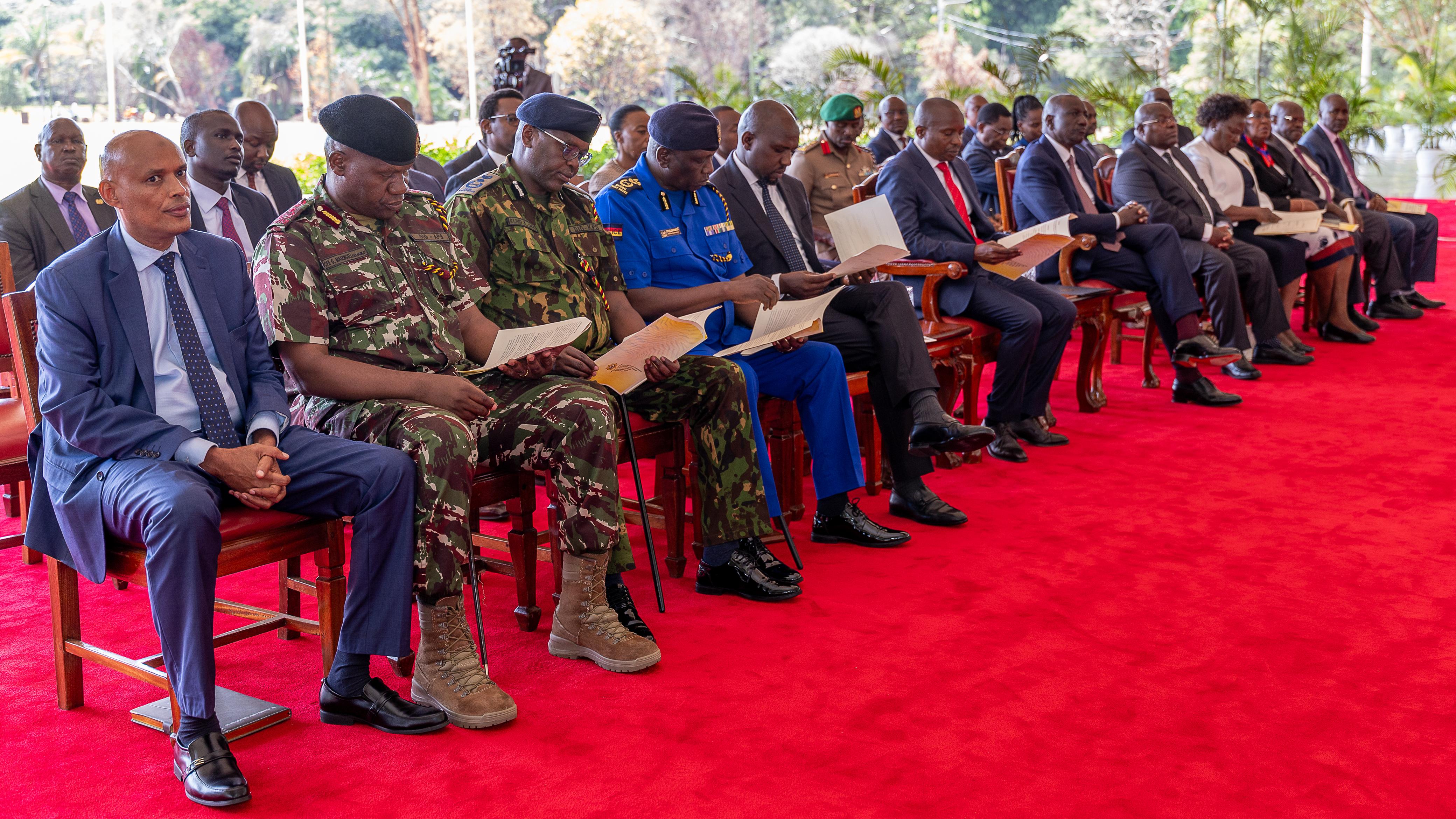
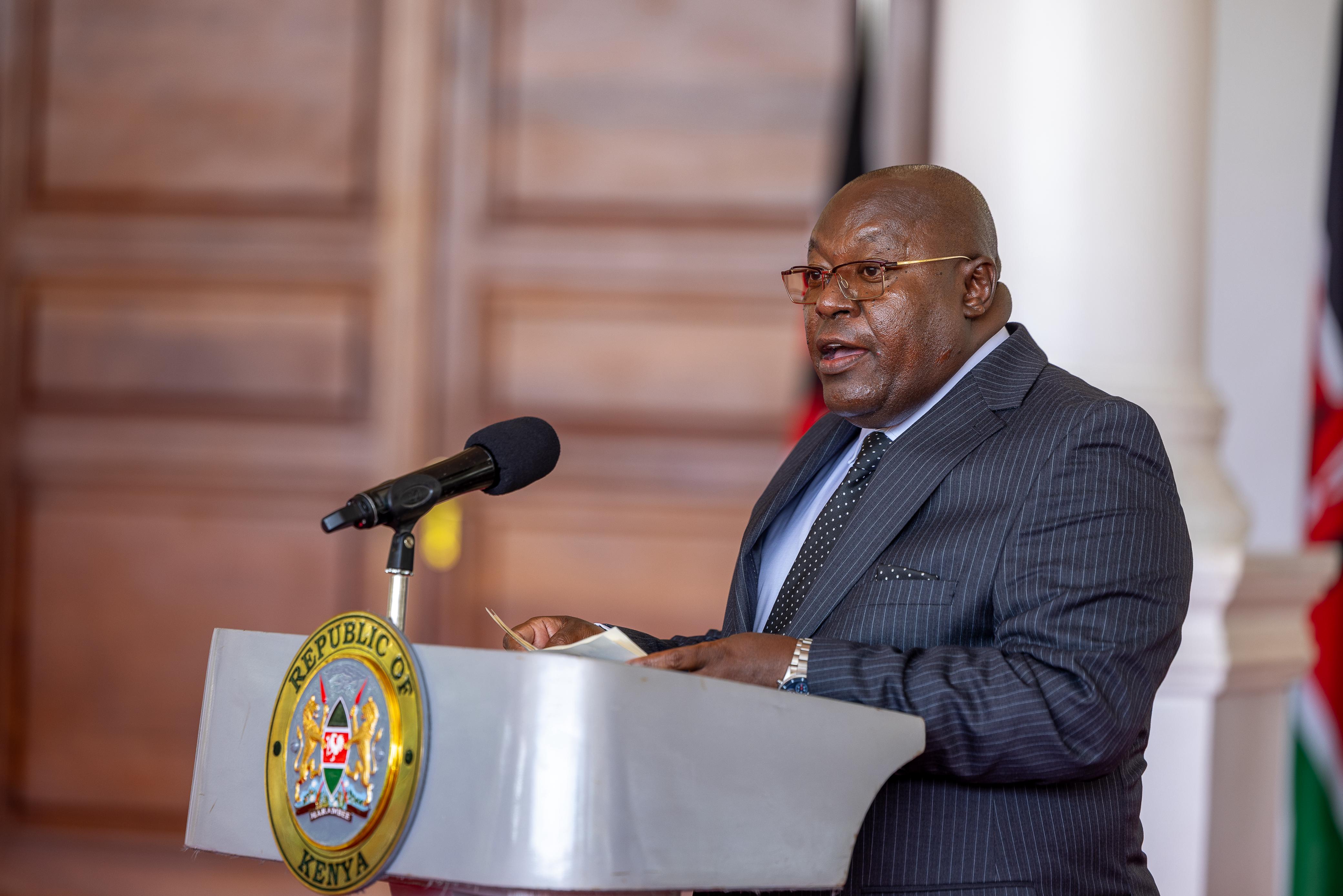
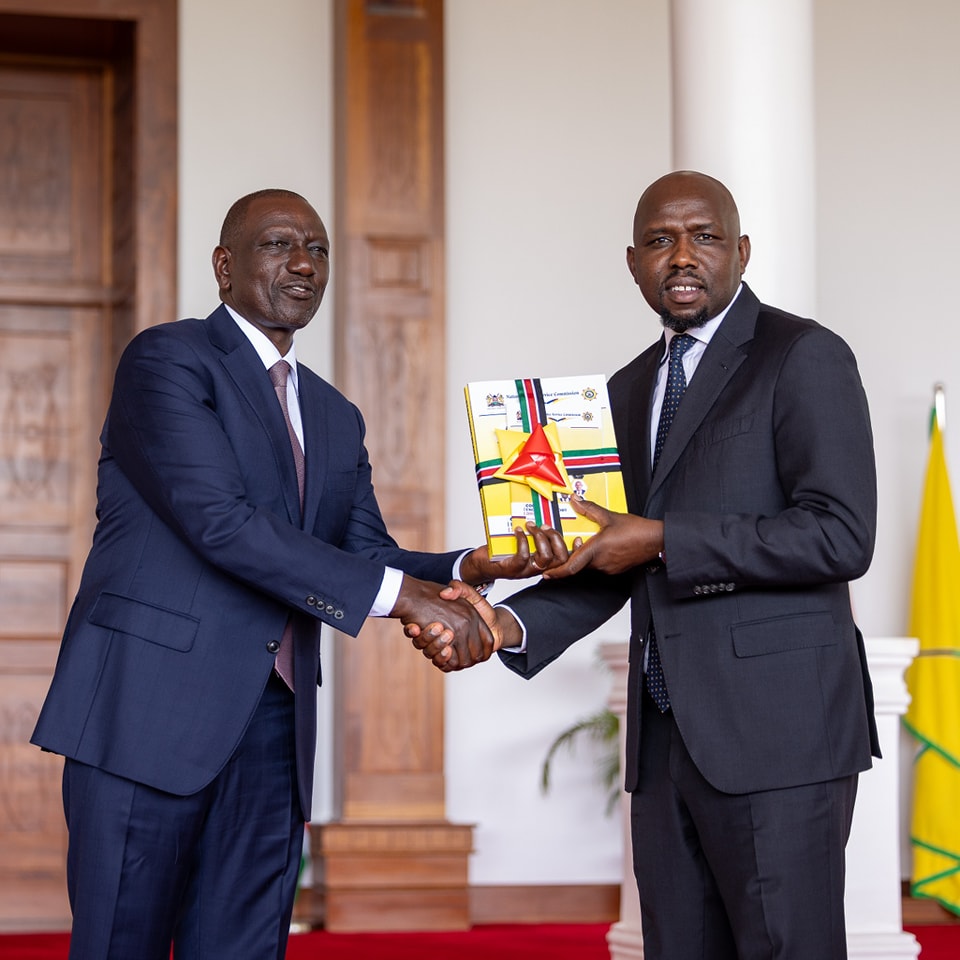
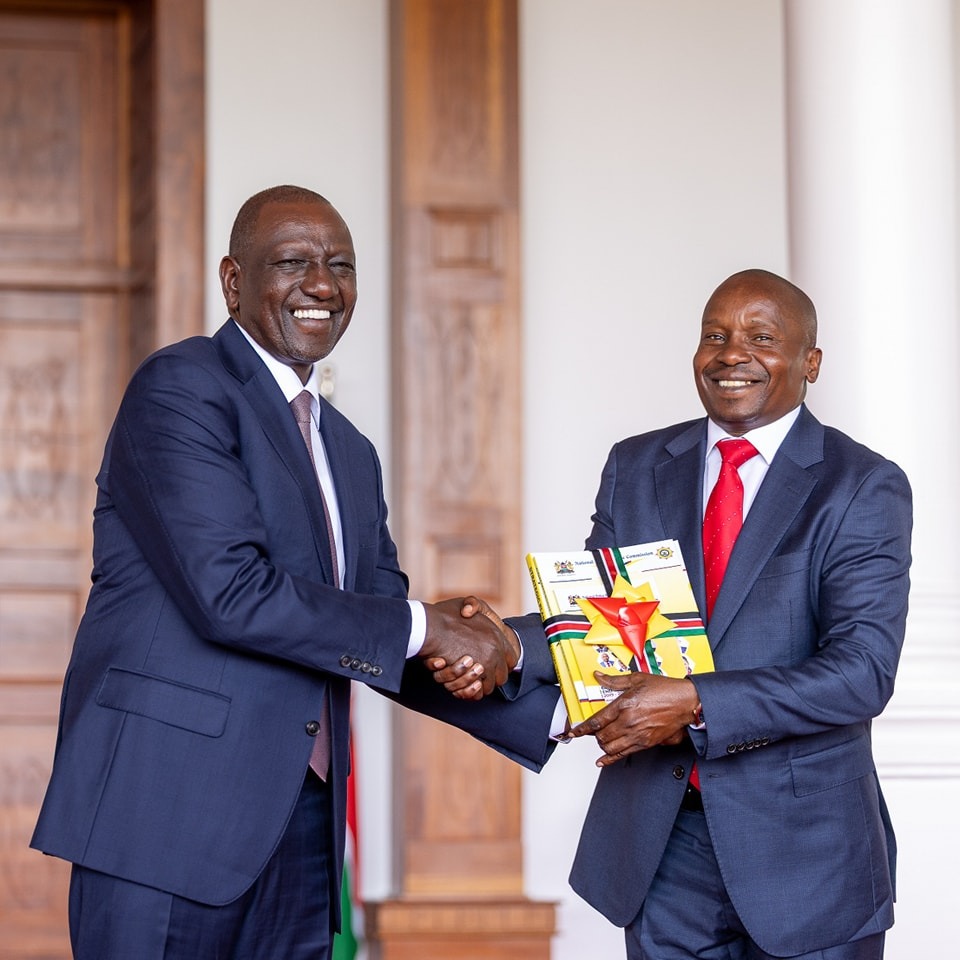
Presenting a report to President William Ruto at Statehouse, Nairobi, the chairperson Eliud Kinuthia said in the period, the Commission recruited 10,932 new police officers to bring the police to population ratio to1:509.
“Further, we recruited 1,128 civilian staff of the National Police Service. On promotions of staff, we promoted 16,338 police officers and 1,309 civilian staff.
On disciplinary control, the Commission determined 1,461 disciplinary cases and processed 724 appeals,” he said.
The Commission also designed an automated Police Recruitment Information Technology System to reduce human contact and interaction during the entire process of police recruitment.
The system maps corruption-prone stages in the process of recruitment such as manual shortlisting, academic documents examination, medical examination, and has devised an intervention that will reduce vulnerability to corruption for youths seeking police jobs.
The system has been presented to the Cabinet Secretary, Ministry of Interior and National Administration Hon. Kipchumba Murkomen.
According to Kinuthia, even as the 2nd Commission exits, there are several key recommendations that it proposes including the review of remuneration and other terms and conditions of service to boost the morale of police officers.
“The Commission has implemented Phase I and II of the salary increment. This has caused the basic salary of a Police Constable to increase from Sh21,645 to Sh25,645.
“The longest-serving Police Constable who has served 20 notches, equivalent to twenty years, now earns a basic salary of Kshs. 69,640.
"Similarly, for senior officers, the basic salary of a Senior Assistant Inspector General (SAIG) was increased from Sh200,889 to Sh221,915 per month with the longest serving SAIG rank earning up to Sh409,365 per month,” Kinuthia stated.
He called for the implementation of Phase III of the salary increment, which is projected to further raise the basic salary of a police constable from Sh25,645 to Sh29,645 per month.
The report highlighted key challenges encountered by the Commission, including irregular police recruitment, budgetary constraints, the need for a sustainable police welfare program, police professionalism, the role of civilian professionals within the National Police Service and governance issues.
“Numerous governance disputes during the Commission tenure of office have led to frequent down-time whose net effect is wastage and loss of valuable time at the expense of service delivery,” Kinuthia said.
As the curtain fell on the Commission, the Chairperson expressed gratitude to the President for the opportunity to serve and acknowledged his steadfast support in defending the Commission during governance challenges.
President William Ruto commended the Commission for its contributions to police reforms and its stewardship of human resource management in the National Police Service.
He noted that the outgoing Commissioners had played a pivotal role in shaping the future of policing in Kenya and had left an indelible mark.
The president stated that officers seeking medical treatment will no longer be restricted to specific hospitals across the country.As part of the new changes, officers will now be able to access treatment at facilities of their choice under the Universal Health Coverage (UHC) program.
“Under the expanded Universal Healthcare Coverage in the Taifa Care program, access to medical care will no longer be limited to certain identified hospitals,” Ruto announced.
"Officers and servicemen and women will be able to access medical services and attention from all hospitals. We will improve access to different medical services,” he added.
Further, the President announced the government will standardise the medical scheme of police officers to ensure that officers in the same job groups get services from the same medical facilities across the country.