
Kenya launches Digi-AI bus to bridge digital divide for youth
NAIF RASHID-KNA
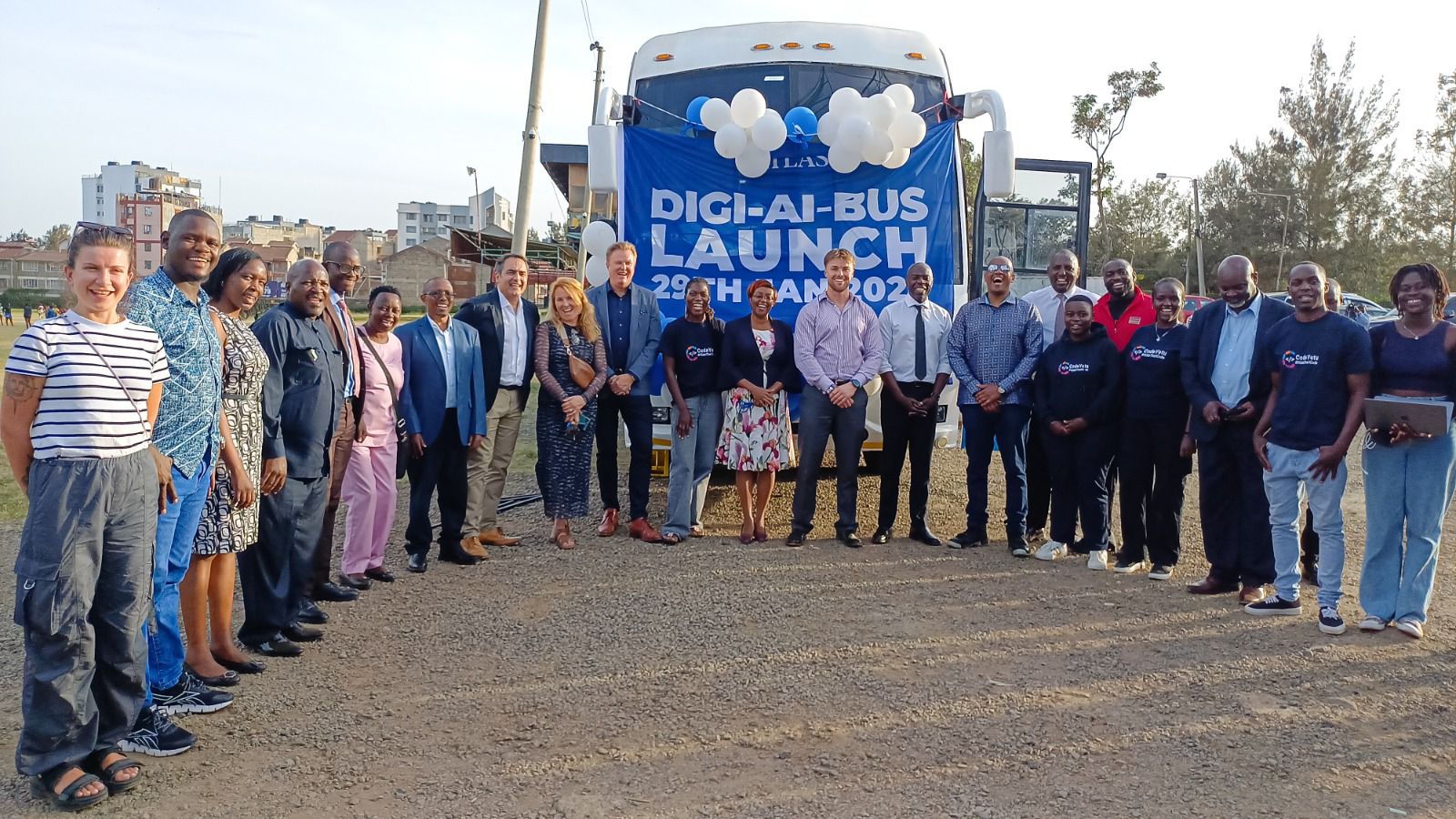
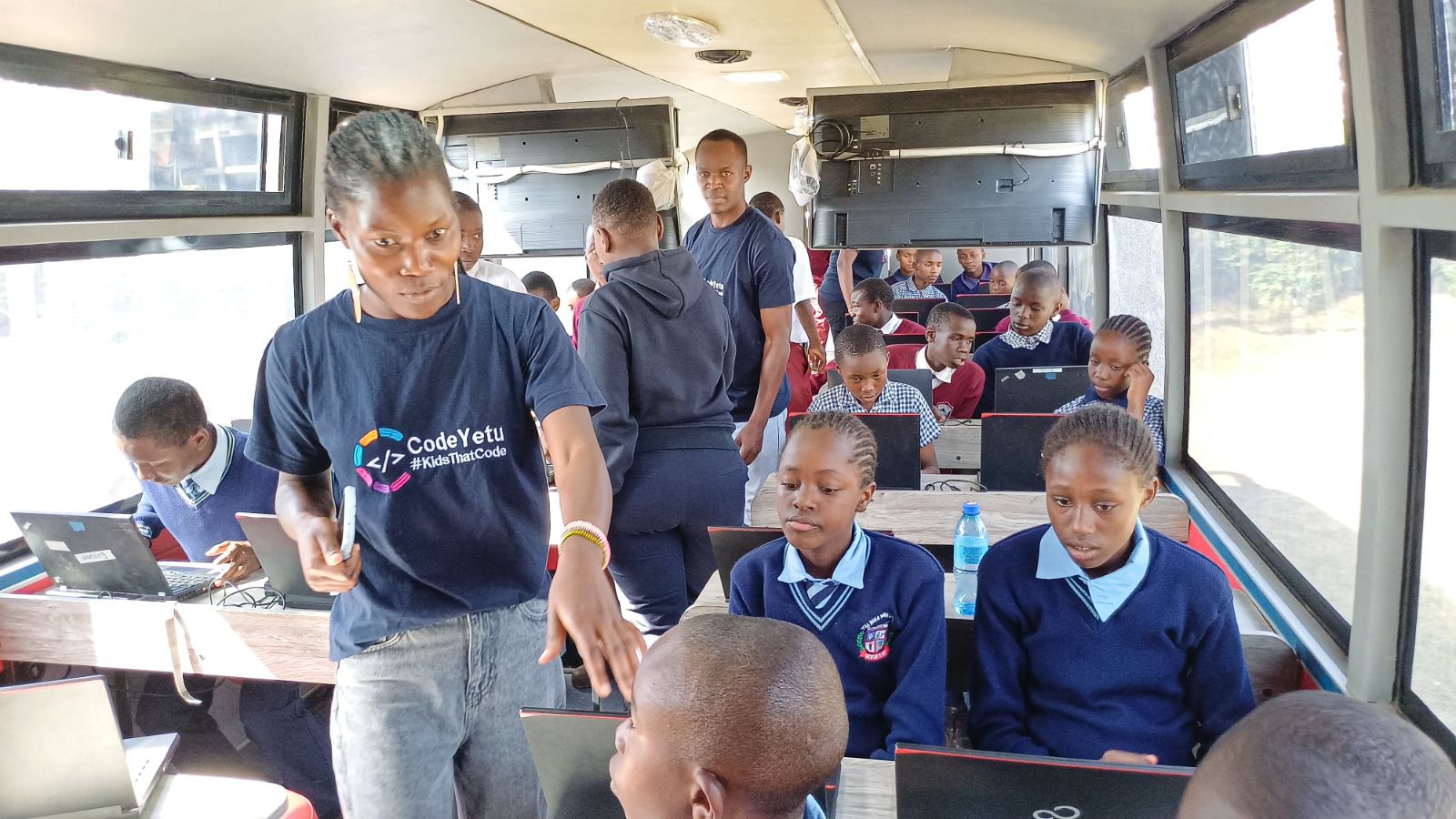
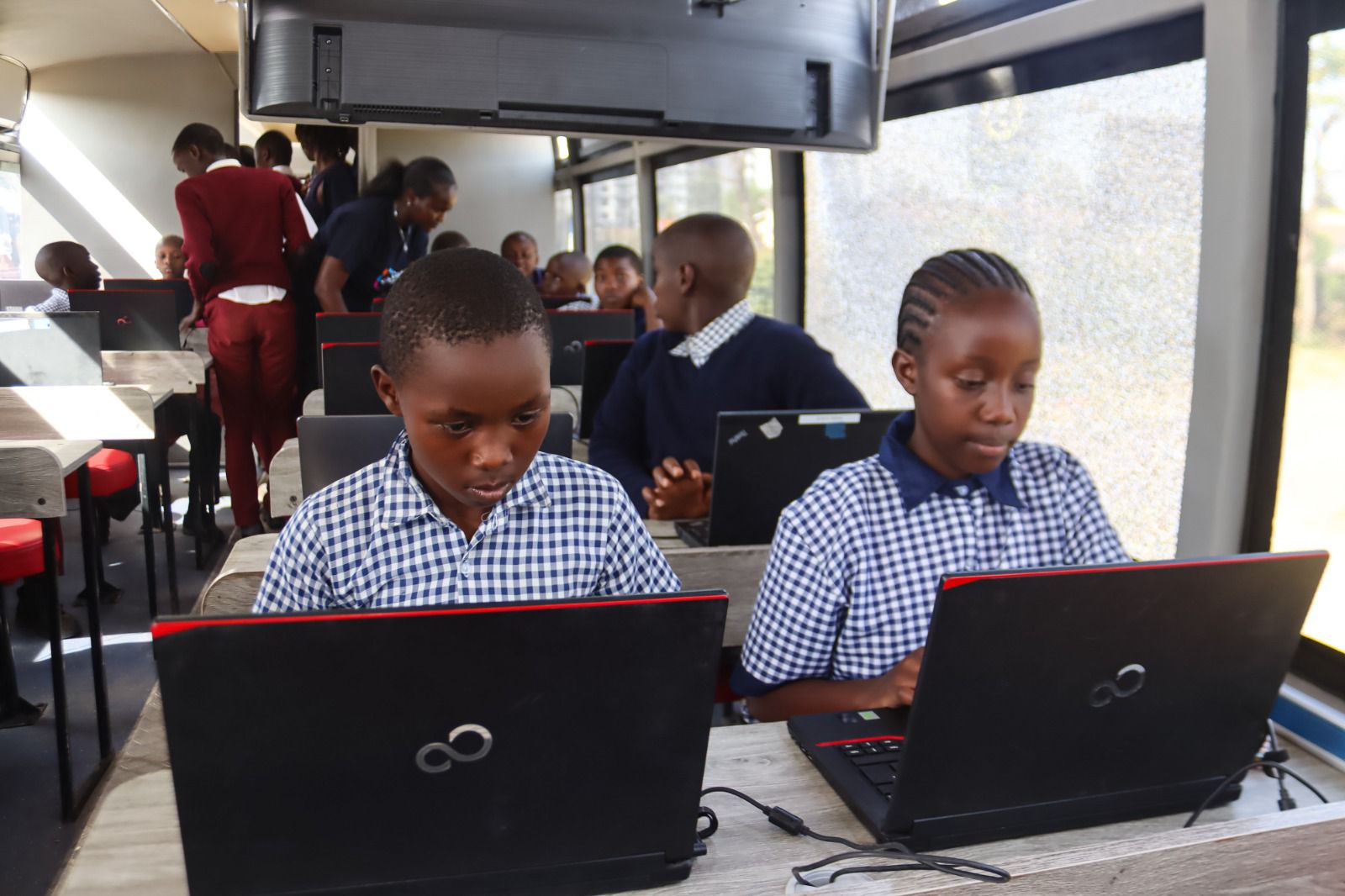
Kenya has unveiled the Digi-AI Bus, a mobile digital classroom designed to deliver computer science, coding, and artificial intelligence (AI) training to learners from underserved communities.
The project is spearheaded by Kings Rugby Development Academy (KRDA) in partnership with Atlas Foundation, Code Yangu, and Konza Technopolis.
It seeks to equip young people with future-ready digital skills while expanding access to education, mentorship, and technology-driven opportunities.
Speaking during the launch at RFUEA Grounds in Nairobi, Josephine Ndambuki, Chief Manager for Business Development and Innovation at Konza Technopolis, emphasized the urgency of preparing Kenya’s youth for careers being reshaped by technological disruption.
“Kenya is a youthful country, with over 80 per cent of its population under the age of 35. As the world moves toward an AI-driven future, we must ensure our young people are equipped with the skills to compete and thrive,” she said.
Ndambuki noted that Kenya’s median age of 19.5 presents both an opportunity and a responsibility, particularly as more than 900,000 students graduate from high school annually.
Citing World Economic Forum data showing that more than half of current jobs face disruption, she stressed that digital skilling is central to Kenya’s national transformation agenda.
Ndambuki explained that Konza Technopolis—popularly referred to as the Silicon Savannah—is driving Kenya’s transition from an agriculture-based economy to a knowledge-driven one powered by research, innovation, science, and technology.
The Digi-AI Bus, she added, aligns with the government’s Digital Super Highway initiative, which aims to expand access to digital opportunities, enhance service delivery, and prepare Kenyans for a globally competitive workforce.
Ndambuki disclosed that plans are also underway to roll out 1,450 digital hubs nationwide to serve as learning and work centres, while opening Konza’s facilities to students to explore innovation, emerging technologies, and the future of work.
“Creativity begins early. If children are exposed to technology at a young age, they can imagine, innovate, and become the next generation of problem-solvers,” she said.
Peter Scott, Chief Executive Officer of Atlas Foundation, described the Digi-AI Bus as a strategic investment in vulnerable communities, particularly informal settlements such as Kibera.
“Too many young people in disadvantaged areas face barriers to quality education, employment, and digital opportunity. Digital skills are now essential for employability, entrepreneurship, and economic resilience,” he said.
Scott noted that while Kenya has made progress in improving access to education, challenges remain in foundational literacy, numeracy, and STEM performance, limiting pathways into science and technology careers.
He said the bus will deliver practical, job-ready digital training directly to communities that lack computer labs and modern learning infrastructure.
Asha Makana, a trainer at Code Yangu, underscored the importance of building a strong computer science foundation early. She lamented that many Kenyan learners encounter technology too late in their academic journeys.
“It is heartbreaking that some Grade 9 learners in Nairobi are using a computer for the first time. Without access, how can they compete in a global digital economy?” she asked.
Makana explained that the Digi-AI Bus will stabilize training delivery, expand outreach, and reduce logistical challenges for educators working in remote or low-resource settings.
Stuart McGreevy, Executive Chairman of Kings Rugby Development, said the Digi-AI Bus is part of a broader Sh387 million nationwide vision to deploy mobile digital classrooms across Kenya.