
Over 8 Million Kenyans access free care under Primary Healthcare Fund
By Judy Sheri (PCO)
More than eight million Kenyans have received free healthcare services at dispensaries and health centres under the Primary Health Care (PHC) Fund, the Government has announced, marking a major milestone in efforts to eliminate financial barriers to essential health services.
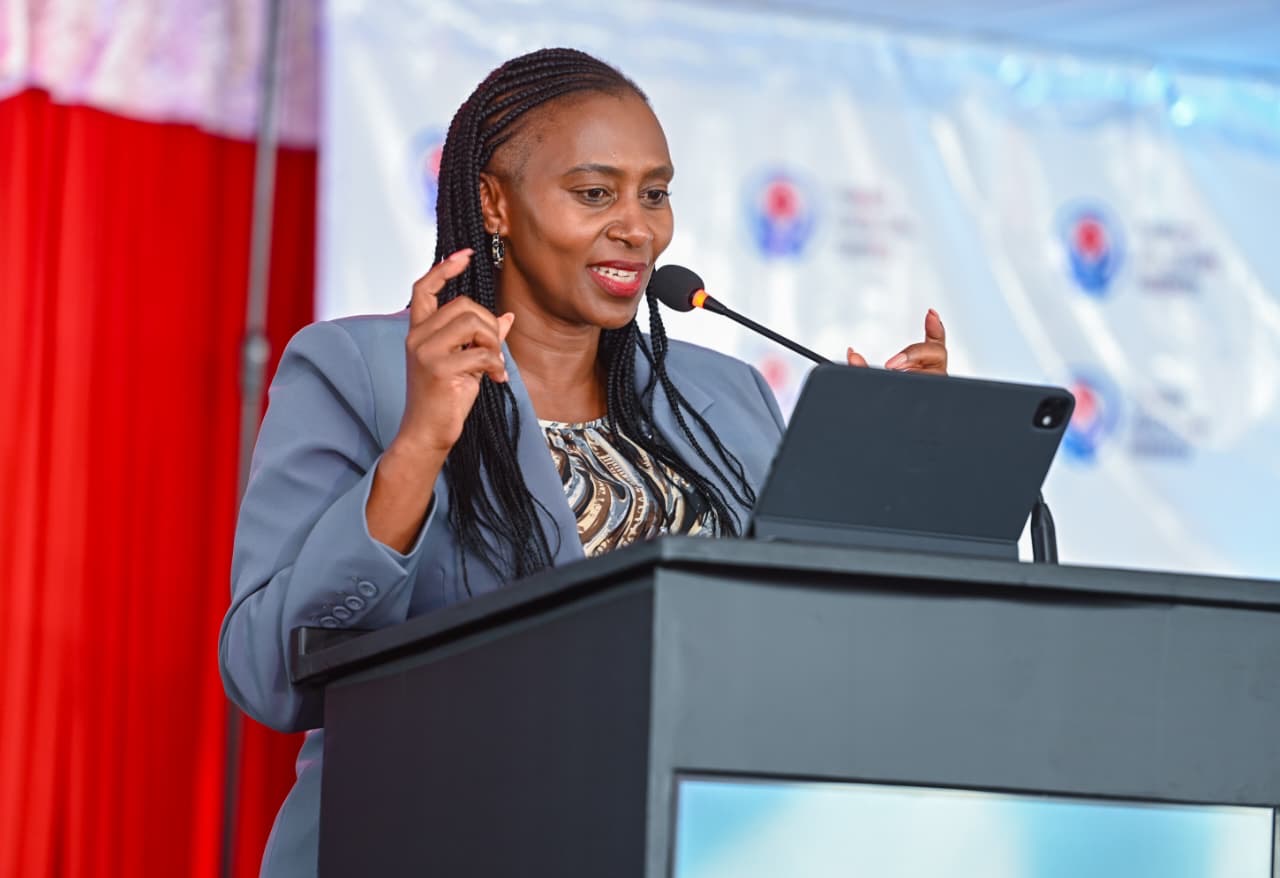
Speaking in Nairobi while opening the 2nd Primary Health Care Congress on behalf of Health Cabinet Secretary Aden Duale, Principal Secretary for Public Health and Professional Standards Mary Muthoni said the initiative, implemented through the Social Health Authority (SHA), is expanding access to care at community and primary facility levels.
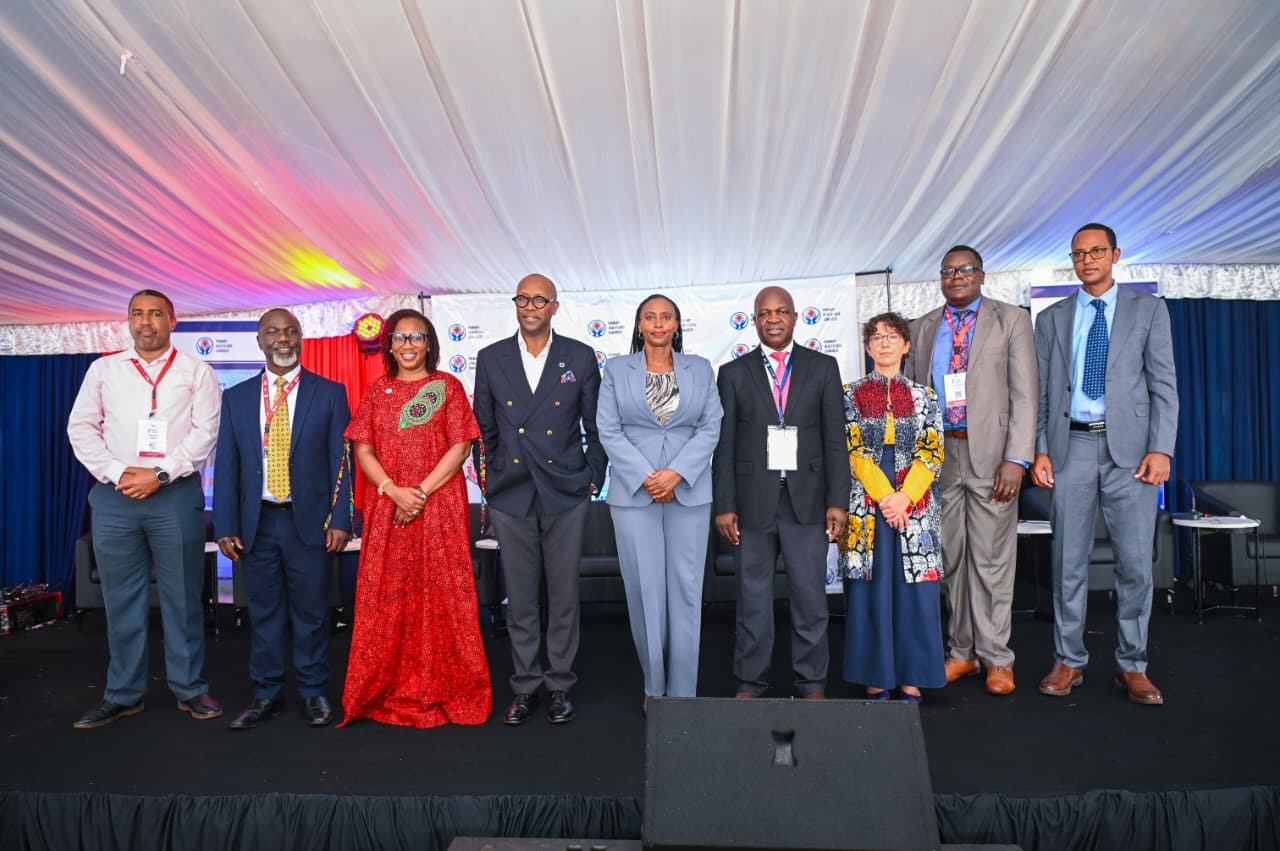
The congress, convened by Amref Health Africa and Amref International University under the theme “Redesigning Primary Health Care: Building Resilience Amidst Global Uncertainty,” has brought together health professionals, policymakers, researchers, development partners and community representatives to explore solutions for strengthening primary healthcare systems.
Muthoni stressed that resilient health systems begin at the community level, noting that strong primary healthcare is critical for managing disease outbreaks, responding to emergencies and reaching vulnerable populations.
She highlighted landmark reforms enacted in 2023, including the Primary Health Care Act, Digital Health Act, Social Health Insurance Act and Facility Improvement Financing Act, which collectively restructured healthcare financing and service delivery to support Universal Health Coverage.
According to the Ministry of Health, Primary Health Care Networks now cover 88 per cent of the country, while Community Health Units have reached 96 per cent coverage.
This has enabled multidisciplinary teams and Community Health Promoters to deliver preventive, promotive and curative services closer to households.
Muthoni explained that the PHC Fund ensures all registered Kenyans can receive essential services at Level 2 and Level 3 facilities free of charge, regardless of their premium payment status. This, she said, has significantly reduced out-of-pocket spending for basic healthcare.
To strengthen diagnostic capacity at county level, she pointed to the ongoing National Equipment Support Project (NESP), through which the Ministry is investing Sh 6.18 billion to equip more than 120 county and sub-county facilities with modern diagnostic equipment, including CT scanners and digital X-ray machines.
The investment aims to decentralise diagnostic services, support early disease detection and ease pressure on national referral hospitals.
Muthoni challenged delegates attending the congress to develop practical, locally driven solutions for health financing, workforce support and evidence-based policymaking.
She emphasised that collaboration among government, academia, researchers and partners is critical to strengthening primary healthcare systems.
The congress is expected to generate recommendations that will guide policy reforms, strengthen partnerships and accelerate progress towards Universal Health Coverage in Kenya.